


Nyheter
Hjem / Nyheter / Bransjenyheter / Handle Vac vs. Vacuum: nøkkelforskjeller, filtrering og hvordan velge riktig rengjøringsmiddel

Sent på en lørdag ettermiddag kjører du støvsugeren ut av garasjen etter å ha sugd opp en haug med gipsrester som ville ha stoppet støvsugeren hjemme på sekunder. Når du trekker den over stueteppet mot bruksskapet, blåser det synlig støv ut bak det. Det øyeblikket fanger opp det virkelige spørsmålet om butikkstøvsuger vs. vakuum: det handlet aldri om hvilken maskin som har sterkere sug. Det handler om hvilken maskin som faktisk er designet for underlaget og rotet foran deg.
Det korte svaret er at en butikkstøvsuger og en hjemmestøvsuger er forskjellige verktøy med forskjellige jobber. En hjemmestøvsuger er et fint støvfangssystem. En shop vac er et høyt volum rusk og væske fjerningssystem. På et verkstedgulv vinner butikkvaksen. På soveromsteppet vinner hjemmestøvsugeren, og butikkstøvsugeren kan aktivt gjøre ting verre ved å blåse fint støv tilbake i luften og skyve slipekorn dypere inn i teppefibrene.
Som et selskap som designer og produserer rengjøringsapparater ser vi begge maskinene fra ingeniørsiden. Den konsekvente konklusjonen, enten du kjøper én enhet eller kjøper en produktlinje, er å matche filtersystemet, børstemekanikken og oppsamlingsmetoden til avfallstypen og gulvoverflaten du rengjør oftest.
En butikk støvsuger produserer sterkt tilsynelatende sug fordi motoren ikke kjemper mot et fint filter. Den grove plisserte patronen holder luftstrømmen høy, noe som er flott for å trekke en våt fille, en håndfull spiker eller en vannpytt inn i trommelen uten å stoppe. Et hjemmestøvsuger begrenser bevisst luftstrømmen gjennom syklonkamre og fine filtermedier for å fange opp partikler på mikronnivå. Derfor føles en støvsuger i butikken kraftigere og samtidig mister den fint støv ut av eksosen.
| Karakteristisk | Handle Vac | Støvsuger hjemme |
|---|---|---|
| Primært rusk | Sagflis, spiker, grus, stående vann | Fint støv, dyrehår, teppe og gulvjord |
| Filtrering | Grov patron eller pose | Flertrinns syklonisk, ofte HEPA-forseglet |
| Våt pickup | Ja, våt/tørre modeller | Nei, ikke trygt for væsker |
| Børsterull | Ingen | Roterende børste med høydejustering |
| Kapasitet | 2 til 16 liter | 1 til 3 liter |
| Bærbarhet | Tung, på hjul | Lett, oppreist på hjul eller beholder |
| Typisk støynivå | 80 til 90 dB | 65 til 75 dB |
Disse forskjellene er ikke kosmetiske. De kjører hvilken maskin som kan brukes på hvilket underlag, og hvor mye av skitten du faktisk fjerner per passering.
Fint støv er den avgjørende faktoren. En typisk shop vac patron er vurdert for partikler ned til rundt 1 til 3 mikron på papir, men i praksis lar den en betydelig andel av mindre partikler strømme rett gjennom. En HEPA-filtrert hjemmestøvsuger, derimot, fanger opp minst 99,97 prosent av partiklene ved 0,3 mikron. Hvis du støvsuger stuen med en butikkstøvsuger, samler du opp det synlige smuss og fordeler samtidig den usynlige delen i luften du puster inn.
For husholdninger med allergi, astma, barn eller kjæledyr, oppveier denne forskjellen alle andre spesifikasjoner på esken. Det er en løsning: du kan installere et HEPA-klassifisert filter eller engangsstøvpose i mange støvsugere. Men det fine støvet som tetter den grove patronen raskt vil også tette en høyeffektiv patron raskt, og motorbelastningen øker når filtermotstanden øker. Du ender opp med å bytte bort butikkens største fordel, høye luftvolum, for å oppnå filtreringen den ikke var bygget for.
Den andre store begrensningen er børsterullen. Tepperens avhenger av mekanisk omrøring: en roterende børste slår innlagt grus til overflaten slik at sug kan bære det bort. Butikksugere har ingen børsterull, ingen justering av haughøyde, og sendes vanligvis med en stiv nalkantet gulvdyse. På tepper med lav haug vil en støvsuger plukke opp overflatestrø samtidig som det etterlater det fine slipestøvet nøyaktig der det skader fibrene over tid.
På harde gulv er situasjonen litt bedre, men likevel vanskelig. En dedikert børste med bart gulv fungerer akseptabelt på betong, fliser eller forseglet tre. Problemet oppstår når det er hull, skjøter eller overflater med lett struktur: det høye suget kan trekke fyllstoff ut av ekspansjonsfuger eller ripe opp myke tregulv. Hjemmesugere designet for harde gulv legger til myke rullebørster, automatisk sugereduksjon og kantrensende kanaler for å beskytte disse overflatene. Kort sagt, en shop vac hører hjemme på overflater du ikke har noe imot å bli skrapet; en hjemmestøvsuger hører hjemme på de du faktisk bryr deg om.
Shop vac skinner virkelig i tre soner. For det første er verksteder og oppussingssteder: sagflis, gipsbiter, skruer og grus akkurat det den brede slangen og den høye luftstrømmen er bygget for å flytte. For det andre, vått søl: våte/tørre modeller kan støvsuge stående vann fra et kjellergulv eller en vaskemaskinlekkasje, noe ingen standard støvsuger i husholdningen trygt kan gjøre. For det tredje, å fjerne tilstopping: den stive slangen og det høye luftvolumet gjør en støvsuger effektiv til å fjerne vaskefeller, tørketrommel og støv fra en grill eller peis.
Bilinteriør er en mer blandet sak. En butikk støvsuger har suget, men trommelen, slangen og strømledningen gjør det klønete å bevege seg over et sete. Et kompakt dedikert verktøy er vanligvis mer praktisk. En børsteløs håndholdt bilstøvsuger som DY109B laveffekt oppladbar bilstøvsuger passer mellom setene, kjører av sitt eget batteri og håndterer smuler, dyrehår og daglig støv uten å dra en 10-liters trommel inn i oppkjørselen.
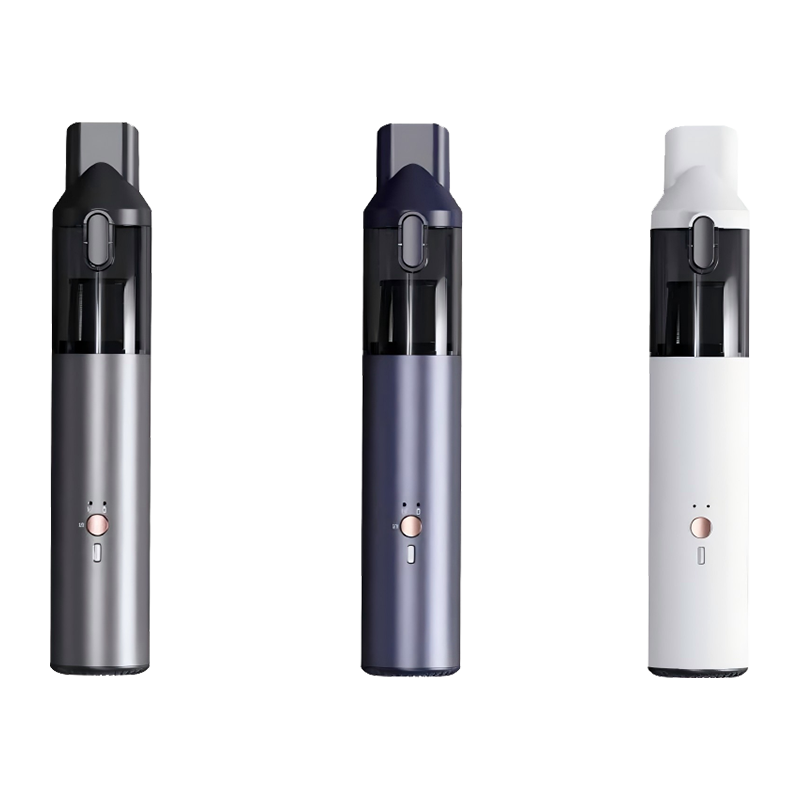 Engros DY-109B tilpasset børsteløs håndholdt laveffekt oppladbar bilstøvsuger Xian Dwafer Electrical Appliances Co., Ltd. er Kina engros DY-109B tilpasset børsteløs håndholdt laveffekt oppladbar bilstøvsuger Cl... Se produkt →
 Hvis du bor i et teppebelagt hjem, har kjæledyr eller tar hensyn til innendørs luftkvalitet, bør det primære rengjøringsverktøyet være en forseglet støvsuger med en børsterull og HEPA-filtrering. Det er maskinen som beskytter både gulvet og åndedrettshelsen på ukentlig basis.
Det andre sporet i en effektiv husholdning tilhører en lett, trådløs enhet for daglige reparasjoner. En håndholdt alt-i-ett-modell som f.eks DY807A håndholdt multifunksjonell trådløs støvsuger håndterer smuler på kjøkkengulvet, kjæledyrhår på trappene og støv på harde overflater uten å trekke ut en maskin i full størrelse. Den når også inn i bilinteriør og møbelsprekker der verken en butikkstøvsuger eller en stående støvsuger passer komfortabelt.
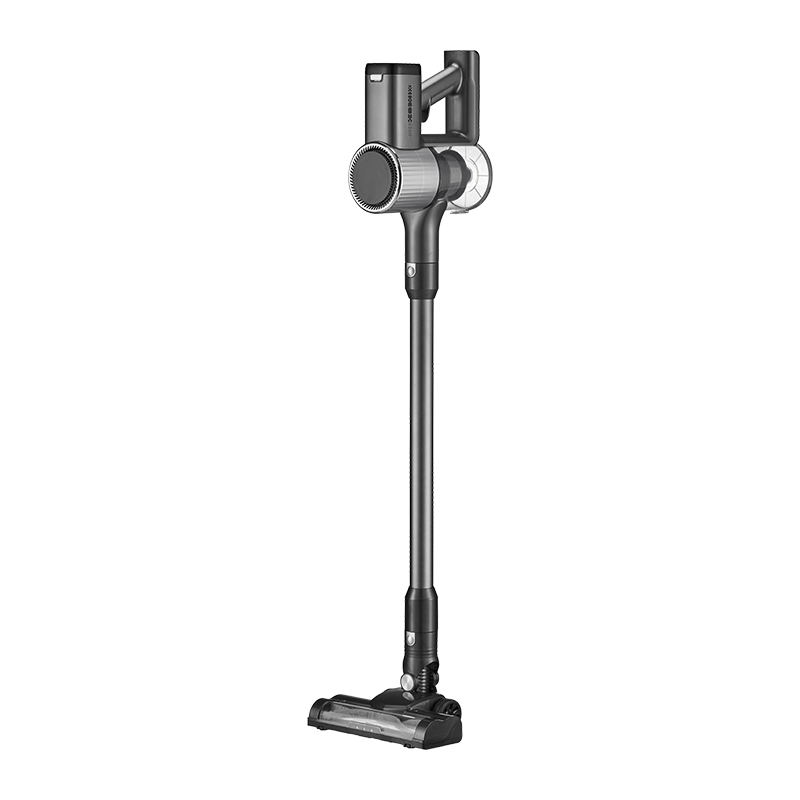 Engros DY-807A håndholdt multifunksjonell alt-i-ett trådløs Ultra Light Vacuu Xian Dwafer Electrical Appliances Co., Ltd. er Kina engros DY-807A håndholdt multifunksjonell alt-i-ett trådløs Ultra Light Vacuum Cl... Se produkt →
 For teppeflekker, møbeltrekk og madrassoppfriskning, legg til en dedikert avtrekker i stedet for å prøve å tvinge en butikk til den rollen. En spray-og-sug rengjøringsmiddel som DY506E husholdningssofa, tepper og madrassrens injiserer rengjøringsløsning, børster fibrene og gjenvinner den skitne væsken i én omgang. En shop vac kan ikke reprodusere den prosessen; den har ingen vaskemiddeltank, ingen spraydyse og ingen gjenvinningssløyfe som setter vannet tilbake der det kom fra.
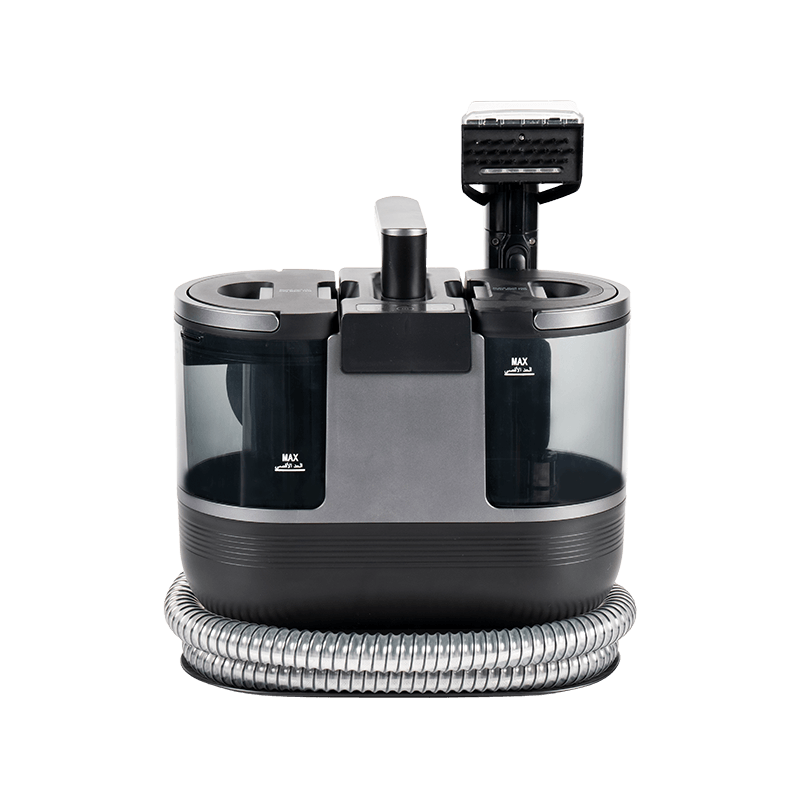 Engros DY-506E husholdningssofa, teppe- og madrassrenserfabrikk, Manufactu Xian Dwafer Electrical Appliances Co., Ltd. er Kina engros DY-506E husholdningssofa, teppe- og madrassrenser fabrikk og produsent... Se produkt →
 Hvis du fortsatt vurderer hvilket bærbart format som passer din rutine, vår bærbar støvsugerguide sammenligner hovedtyper, funksjoner og praktiske avveininger mer detaljert.
En butikkstøvsuger og en hjemmestøvsuger er ikke konkurrenter; de er komplementære verktøy optimert for motsatte ender av rengjøringsspekteret. Hvis du håndterer verkstedavfall, vått søl eller blokkeringer, er en støvsuger verdt hver kvadratmeter garasjeplass. Hvis du bor på teppe, bryr deg om fint støv, eller rett og slett ikke ønsker å støvsuge det samme rommet to ganger, er en forseglet hjemmestøvsuger ikke omsettelig. Det mest praktiske oppsettet for de fleste husholdninger er begge maskiner, pluss en trådløs håndholdt og en punktavtrekker for jobbene i mellom. Den lagdelte tilnærmingen er ikke markedsføringsteori; det er designlogikken bak de trådløse støvsugere, bærbare rengjøringsmidler og teppeavtrekkere vi bygger, og det er den raskeste måten å slutte å spørre om du trenger en butikkstøvsuger eller en støvsuger og begynne å rengjøre med riktig verktøy for hver oppgave.
 2025-11-12
Bransjenyheter
2025-11-12
Bransjenyheter
2025-11-12
Bransjenyheter
2025-11-12
Bransjenyheter
2025-11-12
Bransjenyheter
2025-11-12
Bransjenyheter

 [email protected]
  +86-13736068086
  nr. 2, sone 1, Hongxi industripark, Chunhu underdistrikt, Fenghua-distriktet, Xian City, Shanxi-provinsen, Kina.
  Tilpassede produsenter av tepperensere for hjemmet
 Previous